









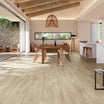


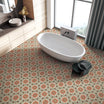

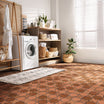


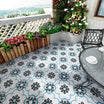
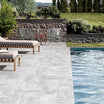







































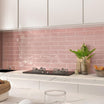
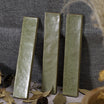



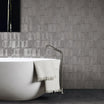





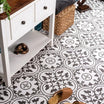
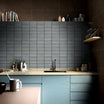
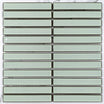





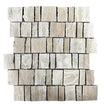


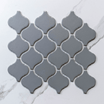









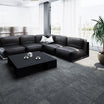




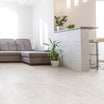
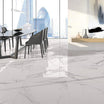
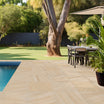

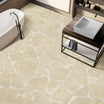
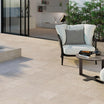


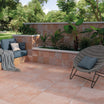
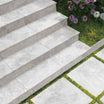
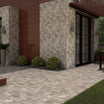
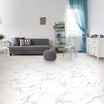


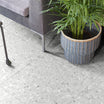

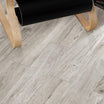


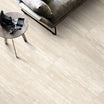
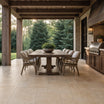




Falling in love with a single tile is easy. Seeing how that tile looks across an entire floor or feature wall is another story.
A sample or swatch only shows you one face of a tile range. Many of today's tiles are made with digital printing, which lets manufacturers recreate the natural character of stone, timber and concrete. To do this convincingly, a single range can include many different tile faces, each varying in tone, texture, pattern and colour. Once they're laid together, the overall look can be quite different from the one tile you picked up in store.
That's why Tile Lane offers a 3-piece sample pack for products with a high level of variation. We encourage you to order one so you can see the range of tones, textures and patterns in real life before you commit.
What is a Tile V-Rating?
The V-Rating (variation rating) is a simple scale that tells you how much one tile in a range will differ from the next. It runs from V0, where every tile is virtually identical, to V4, where colours, tones and patterns change noticeably from piece to piece.
Checking the V-Rating before you buy means no surprises on installation day. You'll know whether to expect a clean, consistent finish or a more natural, varied look.
The Five V-Ratings Explained
V0 – Monochromatic
V0 tiles are as uniform as it gets. Each tile is a single, consistent colour with little to no variation, giving a crisp and seamless finish. Think solid white wall tiles or clean, block-colour floors.
V1 – Low variation
V1 tiles look consistent across the whole range. You may spot very slight differences between pieces from the same production run, but the overall effect is smooth and even.
V2 – Moderate variation
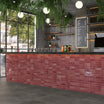
With V2 tiles, you'll notice clear differences from one tile to the next, even within the same colour. Tone, texture and pattern shift subtly, adding interest without looking busy.
V3 – High variation
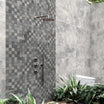
V3 tiles show considerable variation in tone, texture and pattern within the same colour. Expect a lively, natural finish that closely mimics real stone or timber, where no two tiles are quite alike.
V4 – Random variation
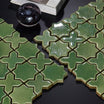
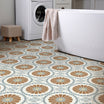
V4 is the most dramatic rating. These ranges combine several different colours with high variation in tone, texture and pattern. The result is a bold, one-of-a-kind look with plenty of character.
Choosing the Right V-Rating for Your Project
There's no right or wrong rating. It comes down to the look you want. Lower ratings (V0–V1) suit modern, minimal spaces where consistency is key. Higher ratings (V3–V4) bring warmth and authenticity to rustic, natural or statement designs, and they're great at hiding everyday dust and wear.
If you're choosing a higher-variation tile, view several tiles together, or ask to see a laid-out display, rather than relying on one sample. When installing, blend tiles from multiple boxes so the variation spreads evenly across the space.
Not sure which V-Rating suits your project? Get in touch with us and we'll help you find the right fit.